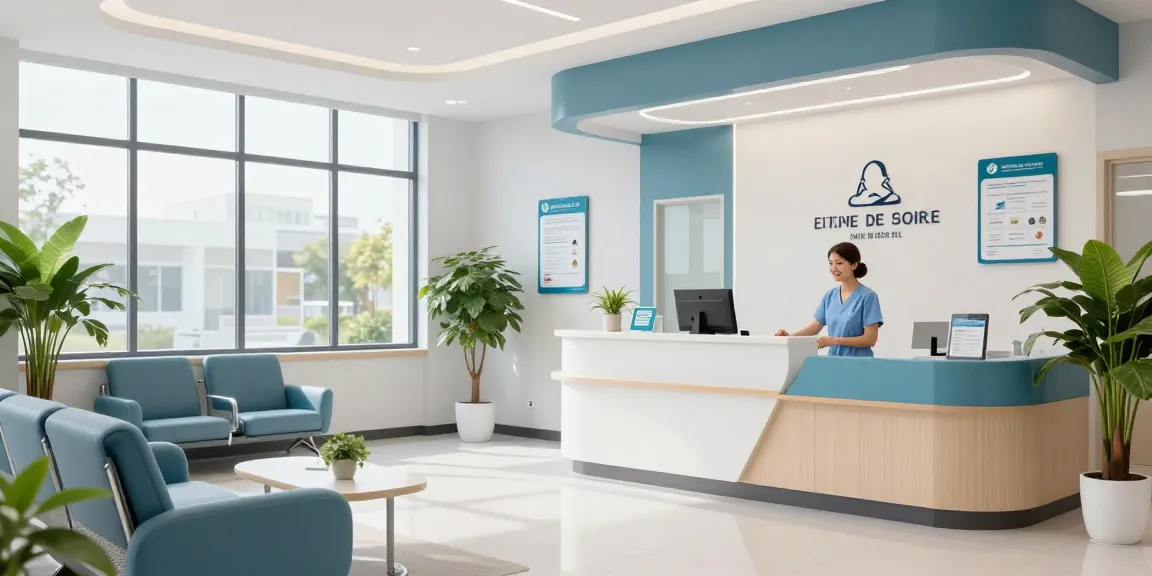
Understanding Patient Care Best Practices
In today’s rapidly evolving healthcare landscape, understanding patient care best practices is essential for fostering a collaborative and effective healthcare experience. Patients often encounter a myriad of choices and options when seeking medical assistance, making it crucial to have an informed perspective on what to expect and how to navigate their healthcare journey. Engaging with healthcare providers and understanding the dynamics of patient care can significantly enhance outcomes and guarantee a supportive environment. For guidance on this journey, trang chủ Open88 offers resources designed to empower patients and enhance their health literacy.
What to Expect during Your Medical Consultation
During a medical consultation, patients can expect a comprehensive evaluation from their healthcare provider. This typically begins with taking a detailed medical history, including past ailments, family history, and current medications. Following this, the healthcare provider may conduct a physical examination tailored to the patient’s issues. Depending on the complexity of the case, further diagnostic testing (like blood tests or imaging) might be recommended. It’s essential for patients to articulate any symptoms clearly and ask questions to clarify their understanding of the diagnosis and proposed treatment plan. Establishing an effective dialogue not only aids the provider in delivering an accurate diagnosis but also enhances the patient’s confidence in the care they receive.
Building Trust with Your Healthcare Provider
Trust forms the cornerstone of any therapeutic relationship. Patients should feel comfortable discussing their health issues openly, which necessitates a foundation of trust with their healthcare provider. Engaging in honest dialogues about concerns, preferences, and expectations can lead to more personalized care plans. Providers should make an effort to actively listen, demonstrate empathy, and validate patient concerns, ultimately fostering a safe space for patients to express their needs. Building this trust can be reciprocal; patient reliability and engagement often encourage providers to convey more personalized and attentive care.
Importance of Patient Feedback and Communication
Patient feedback serves as invaluable input for healthcare improvement. Providers should not only welcome but actively seek feedback about the patients’ experiences and care satisfaction. Open lines of communication empower patients to report on their experience, which can lead to enhancements in care protocols and practices. Regular assessments and surveys can be utilized to gather patient insights, and healthcare systems can incorporate this feedback to refine their services. Ultimately, prioritizing patient feedback is crucial to delivering patient-centered care that evolves with patient needs.
Innovations in Telemedicine and Digital Health
Telemedicine has revolutionized how healthcare is delivered, providing patients with convenient access to medical services from the comfort of their homes. This innovation is particularly beneficial for individuals with mobility issues, scheduling difficulties, or those living in remote areas. The recent advances in digital health technologies have facilitated smoother consultations via video calls and instant messaging, ensuring more patients can receive timely care. With the growing shift to online consultations, understanding these innovations becomes crucial for utilizing telehealth resources effectively.
Benefits of Telehealth for Patient Convenience
One of the most significant advantages of telehealth is the enhanced convenience it offers. Patients can schedule appointments outside typical office hours, reducing waiting times and travel expenses associated with in-person visits. Additionally, telehealth facilitates continuity of care for chronic disease management by allowing patients to check in regularly with their healthcare providers without the hassle of physically visiting a clinic. This ease of access can lead to better health outcomes as patients maintain their treatment plans more consistently.
How to Prepare for Your Virtual Appointment
To maximize the benefits of a virtual appointment, preparation is key. Patients should ensure they have a stable internet connection and a quiet, private space for the duration of the consultation. It can be helpful to gather any necessary medical records or lists of medications beforehand. Additionally, preparing a list of questions or topics to discuss can aid in effectively communicating concerns during the visit. These steps not only enhance the quality of care but also help in managing expectations regarding the appointment structure.
Emerging Technologies in Digital Health Solutions
Emerging technologies, such as wearable health devices and mobile health applications, play a pivotal role in monitoring patient well-being and promoting active participation in health management. Wearables can track vital signs such as heart rate and blood pressure, providing real-time data to both patients and healthcare providers. Mobile applications can facilitate appointment scheduling, medication reminders, and access to health information, allowing patients to take a proactive approach to their wellness journeys. As these tools continue to evolve, they present significant potential for fostering engagement and improving patient outcomes.
Preventive Health and Wellness Screenings
Preventive health measures are crucial in identifying health issues before they become severe. Comprehensive healthcare includes regular screenings tailored to individual risk factors, age, and gender, helping in early detection and intervention. Implementing a personalized preventive health plan can ultimately reduce the burden of chronic diseases and enhance overall well-being.
Essential Screenings for Different Age Groups
Different age groups require various screenings based on the common health risks associated with those stages in life. For instance, children benefit from routine vaccinations and developmental screenings, while adults should routinely check for conditions such as hypertension, diabetes, and certain cancers. As patients age, recommendations for screening frequency and types often change, emphasizing the need for ongoing dialogue with healthcare providers to stay informed about appropriate screenings. Tailoring screenings to individual risk factors, such as family history or lifestyle choices, is vital in maximizing the benefits of preventive care.
Creating a Personalized Preventive Health Plan
Developing a personalized preventive health plan begins with a comprehensive assessment of an individual’s health history and risk factors. Patients should work closely with their healthcare providers to address areas such as diet, exercise, and lifestyle choices. This collaborative approach can lead to actionable steps, including dietary adjustments, exercise regimens, and appropriate screening schedules. By having ongoing conversations about evolving health needs, patients can establish a proactive stance towards their health management.
Understanding Chronic Disease Management Approaches
Chronic disease management encompasses a multidisciplinary approach that includes lifestyle modifications, regular monitoring, and medication management tailored to individual patient’s needs. Healthcare providers often coordinate care by involving specialists, clinicians, and support systems, ensuring all aspects of a patient’s health are addressed. Education plays a vital role in equipping patients with the knowledge and skills to manage their conditions effectively, ultimately leading to improved quality of life and better health outcomes.
Mental Health Awareness and Treatment Options
Mental health awareness is becoming increasingly vital as society recognizes the profound impact mental well-being has on overall health. Understanding common mental health conditions and their symptoms can lead to early detection and intervention, which is essential in effective treatment and support.
Identifying Common Mental Health Conditions
Common mental health conditions such as anxiety disorders, depression, bipolar disorder, and schizophrenia can significantly affect a person’s daily life. Recognizing the signs and symptoms of these conditions is crucial for timely intervention. Symptoms might include persistent sadness, withdrawal from social activities, excessive worry, or changes in energy levels. By educating patients about these disorders, healthcare providers can empower individuals to seek help and support.
Evidence-Based Therapies for Mental Wellness
Evidence-based therapies, including cognitive-behavioral therapy (CBT), medication management, and psychotherapy, are proven effective in treating mental health conditions. Each of these approaches can be tailored to meet the unique needs of the patient, promoting a more customized treatment plan. Additionally, combining various therapies often yields the most favorable outcomes, allowing patients to experience comprehensive support on their journey towards improved mental well-being.
Community Resources for Mental Health Support
Community resources play a vital role in supporting mental health. Local organizations, support groups, and crisis hotlines provide immediate assistance and ongoing support for individuals facing mental health challenges. Educating patients about these resources can help bridge the gap between clinical care and community-based support, ensuring individuals receive comprehensive care across all aspects of their lives.
Physical Therapy and Rehabilitation Insights
Physical therapy and rehabilitation are critical components of recovery for individuals undergoing recovery from injury, surgery, or chronic conditions. Understanding the roles and methods of physical therapy can empower patients to engage actively in their recovery processes, leading to optimal outcomes.
The Role of Physical Therapy in Recovery
Physical therapy aims to restore movement and function in individuals who have experienced physical impairments. Treatment plans are tailored to each patient’s specific needs and may include manual therapy, exercises, and patient education. The timeline for recovery varies depending on the individual and the nature of the injury or condition, with consistent therapy sessions contributing to more effective healing processes. Being patient and adhering to the prescribed plan are essential for achieving favorable outcomes.
Innovative Techniques for Rehabilitation
Innovative techniques in physical therapy, such as aquatic therapy, virtual reality rehabilitation, and teletherapy, are making significant strides in improving recovery experiences. These techniques often engage patients more effectively and cater to various needs, including mobility limitation and fear of re-injury. By integrating technology and progressive methods into rehabilitation, healthcare providers can enhance motivation and progress for their patients.
Patient Stories: Success through Physical Therapy
Real-life success stories of patients who have benefited from physical therapy illustrate the profound effects that targeted rehabilitation can have on recovery. These narratives serve to inspire and motivate others to commit to their rehabilitation journeys. Success stories can highlight the resilience of individuals facing challenges, showcasing the importance of commitment and collaboration with healthcare providers to achieve desired health outcomes.
FAQs
What is trang chủ Open88 and its Significance?
Trang chủ Open88 is a resource that provides comprehensive insights into various healthcare services and patient-directed initiatives. It serves as a guide for understanding how to navigate health-related choices effectively and build healthy relationships with healthcare providers.
How to Access Services Offered by Open88?
Accessing the services offered by Open88 typically involves navigating its user-friendly interface, which outlines available healthcare services, resources, and guidance on patient care approaches and innovations.
Are Telemedicine Consultations Secure and Private?
Telemedicine consultations are designed with patient confidentiality and security in mind. Healthcare providers utilize encryption and secure platforms to safeguard patient data, ensuring that sensitive information remains protected throughout the virtual care process.